.png)
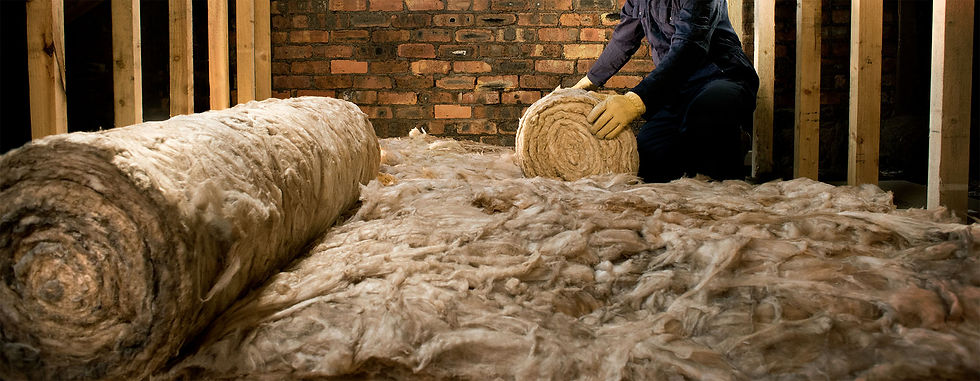
Attic Insulation in Denver, Colorado
Denver winters don't hide insulation problems. They expose them.
When temperatures drop and your heating bill climbs, the issue is usually overhead. Your attic either keeps warm air in or lets it escape. And in most homes, it's letting it go.
You notice it first in the rooms that won't stay warm. Then in the bill. Then in the realization that cranking the thermostat doesn't actually fix anything.
Most Denver homes weren't built with adequate attic insulation. Even newer ones. And older homes—the ones with charm and character—often have insulation that's compressed, contaminated, or just insufficient for Colorado's climate.
You're here because something isn't working. Let's figure out why.
Why Attic Insulation Matters in Denver Homes
Denver sits at 5,280 feet. That means bigger temperature swings than most people realize.
Your attic can hit 150°F on a summer afternoon and drop below freezing overnight in winter. Those extremes stress your insulation, your HVAC system, and your comfort.
Here's what happens: heat moves toward cold. In winter, warm air rises and escapes through your attic if the insulation can't stop it. In summer, heat radiates down from your roof into your living space.
Your HVAC system fights this constantly. It's designed to maintain temperature, not compensate for missing insulation.
The result? Uneven temperatures. Rooms that never feel right. A second floor that's too hot or too cold while the main level feels fine. Energy bills that keep climbing even though you're not using more power.
Older Denver homes make this worse. Many were built with R-19 or less in the attic. Some have newspaper or vermiculite. A few still have nothing but rafters and hope.
That doesn't cut it here. Not with winter lows in the single digits and summer highs in the 90s.
(Fun fact: we once opened an attic in Congress Park and found a wool blanket draped over the access hatch. Creative, but not effective.)


Common Attic Insulation Problems We See in Denver
Most attic inspections reveal the same handful of issues. These aren't hypotheticals. This is what we see when we actually climb up there.
Uneven Coverage: Insulation gets pushed aside during cable runs, HVAC installs, or storage projects. You end up with bare spots where heat escapes freely. It doesn't take much. Even small gaps can dramatically reduce overall efficiency. We see this constantly in real attics.
Settled or Aging Insulation: Fiberglass compresses over time. What started as R-30 fifteen years ago might be R-19 now. Blown-in cellulose settles too, especially if it wasn't installed at the right density.
Rodent Contamination: Mice love attics. Squirrels do too. They tunnel through insulation, nest in it, and leave waste behind. Once that happens, the insulation has to come out. Layering over contaminated material doesn't solve anything.
Poor Air Sealing: Insulation slows heat transfer. Air sealing stops it. If your attic has gaps around pipes, wires, or recessed lights, warm air bypasses the insulation entirely. That's usually the difference between a warm home and an expensive heating bill.
Outdated R-Values: Denver building codes have changed. Homes built before 2010 often have R-38 or less. Current recommendations call for R-49 to R-60. The gap matters.
Our Attic Insulation Services in Denver
We don't sell insulation. We solve attic problems. Every project starts with an inspection. We measure what's there, check for gaps, look for contamination, and test for air leaks. Then we tell you exactly what's needed.
Blown-in insulation - Most Denver attics get blown-in fiberglass or cellulose. It fills gaps, covers irregular spaces, and reaches the depth you need without tearing up your home. We install it at the correct density so it doesn't settle prematurely. This works best when the existing insulation is clean and the attic has proper ventilation.
Spray foam - We use spray foam selectively. It's not always the right answer, but when you need serious air sealing or have cathedral ceilings, it's often the most reliable option. Open-cell for soundproofing and flexibility. Closed-cell for tight air barriers and structural support.
Insulation Removal - Sometimes the old insulation has to go. Contamination, water damage, or severe compression means starting fresh. We bag it, remove it, and dispose of it properly. Then we air seal and reinstall.
Air Sealing - This isn't optional. If we're adding insulation, we're sealing the attic floor first. Gaps around pipes, wires, ducts, and penetrations get sealed with fire-rated foam or caulk. Otherwise, you're just insulating air leaks.


Attic Insulation Removal in Denver
Not every project is additive. Sometimes you need to remove what's there before moving forward.
Rodent Contamination - Mice and squirrels don't just nest in your attic. They urinate, defecate, and die there. Contaminated insulation can't be cleaned. It has to be removed and replaced.
We've pulled insulation in Capitol Hill, Highlands, and Park Hill where the contamination was so severe the attic floor wasn't visible. Layering over that doesn't solve the problem. It just hides it.
Water Damage from Ice Dams - Ice dams force water back under shingles and into the attic. Once insulation gets wet, it loses R-value and often develops mold. If it's been soaked, it's coming out.
Severe Settling or Compression - Fiberglass that's been compressed for decades doesn't bounce back. If it's matted down to half its original thickness, it's not insulating anymore.
Why Layering Often Fails - You can layer new insulation over old in some cases. But if the old material is contaminated, compressed, or unevenly distributed, you're building on a bad foundation. We'll tell you if removal is necessary. We'll also tell you if it's not.
R-Value Recommendations for Denver Attics
Denver attics should have R-49 to R-60. That's the current standard for our climate zone. R-value measures thermal resistance. Higher numbers mean better insulation. But it's not the whole story.
Why R-38 Isn't Enough - Older homes were built to R-38 or less. That was fine when energy was cheap and building codes were looser. It's insufficient now. The difference between R-38 and R-49 is real. You'll feel it in comfort and see it in your energy bills.
Depth vs. Material - R-49 requires about 14 inches of blown-in fiberglass or 11 inches of cellulose. Spray foam needs less depth but costs more per square foot. The material matters less than hitting the right R-value. We choose based on your attic's conditions, not what's easiest for us to install.
No Scare Tactics - If your attic has R-38 and it's clean and evenly distributed, you're not in crisis mode. But if you're adding insulation anyway, we'll take it to R-49 or better.


What Affects the Cost of Attic Insulation in Denver
We live here. We work in Denver attics every day.
That means we know which homes have knob-and-tube wiring that needs attention before insulation goes in. We know that Highlands bungalows have limited attic access. We know that Stapleton homes were often under-insulated from day one despite being relatively new.
We know how altitude affects material performance. We know which products hold up in dry Colorado air and which ones don't.
And when something goes wrong—because occasionally it does—we're not three states away. We're local. Licensed. Insured. Accountable.
We show up when scheduled. We don't leave messes. We answer follow-up questions.
This isn't marketing language. It's how we operate.

Areas We Serve Around Denver
We work throughout the Denver metro area:
Denver Neighborhoods: Capitol Hill, Highlands, Park Hill, Washington Park, Congress Park, Cherry Creek, Stapleton, Lowry, University Hills, Berkeley, Sloan's Lake
Metro Communities: Arvada, Lakewood, Littleton, Englewood, Aurora, Centennial, Highlands Ranch, Parker, Castle Rock, Golden, Westminster, Thornton, Broomfield
Customer Feedback
Schedule Your Denver Attic Insulation Inspection
We inspect your attic, measure what's there, and explain what you need. You'll know the R-value, the coverage gaps, any contamination issues, and what it'll take to fix it.
Most inspections take 30–45 minutes. We take photos. We answer questions. We give you a written estimate before we leave.
There's no commitment. If you decide to move forward, we schedule the work. If you don't, that's fine too.
You'll at least know exactly what's happening in your attic. That's worth the call.
Whether you move forward or not, you'll have clear answers.